
Industrial light soda ash: an important inorganic chemical raw material
Aug 13,2024
Industrial light soda ash, also known as light alkali or soda ash,
Industrial light soda ash, also known as light alkali or soda ash, is an important inorganic chemical raw material. Its chemical name is sodium carbonate (Na₂ CObasis) and it has a wide range of industrial applications. This article will detail the physical properties, manufacturing methods and main uses of industrial light soda ash.
Physical Properties
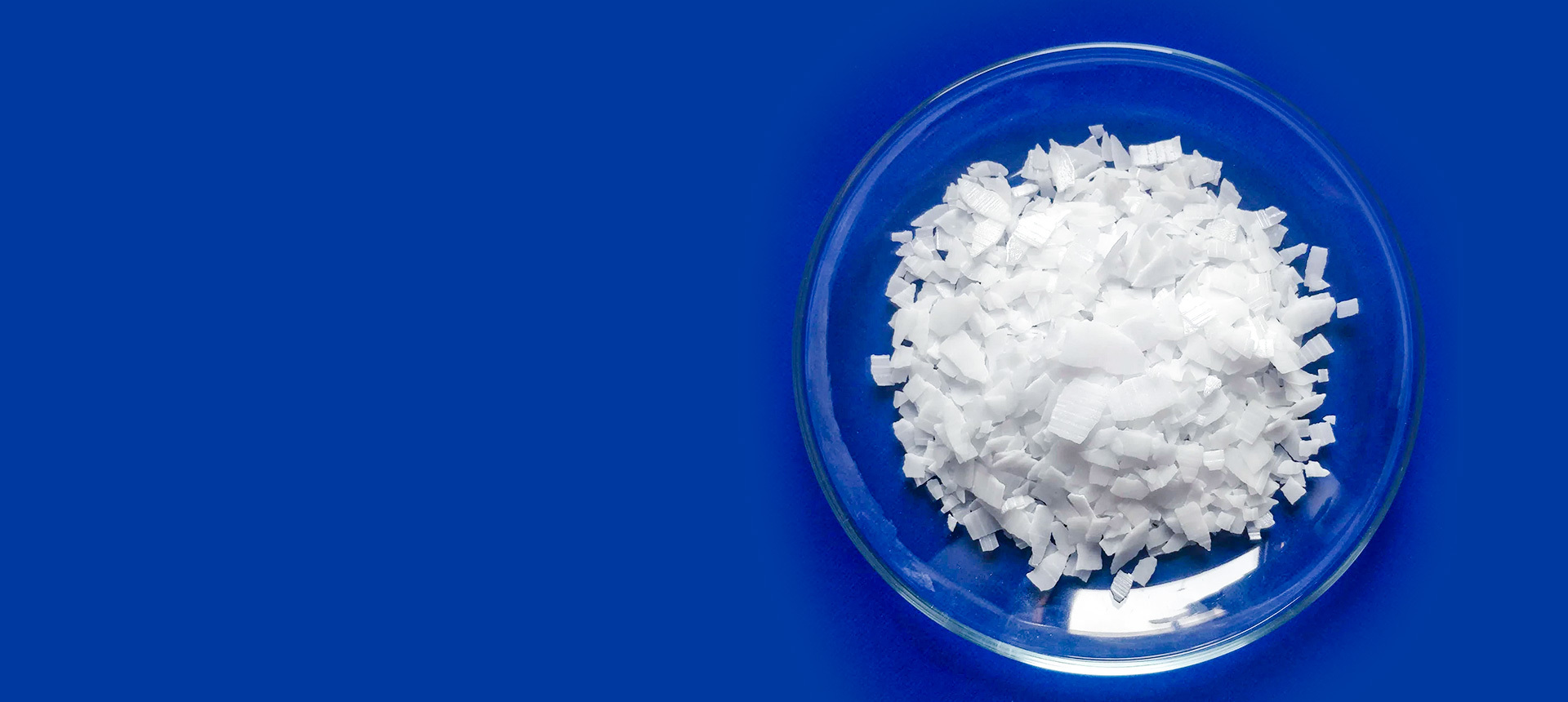
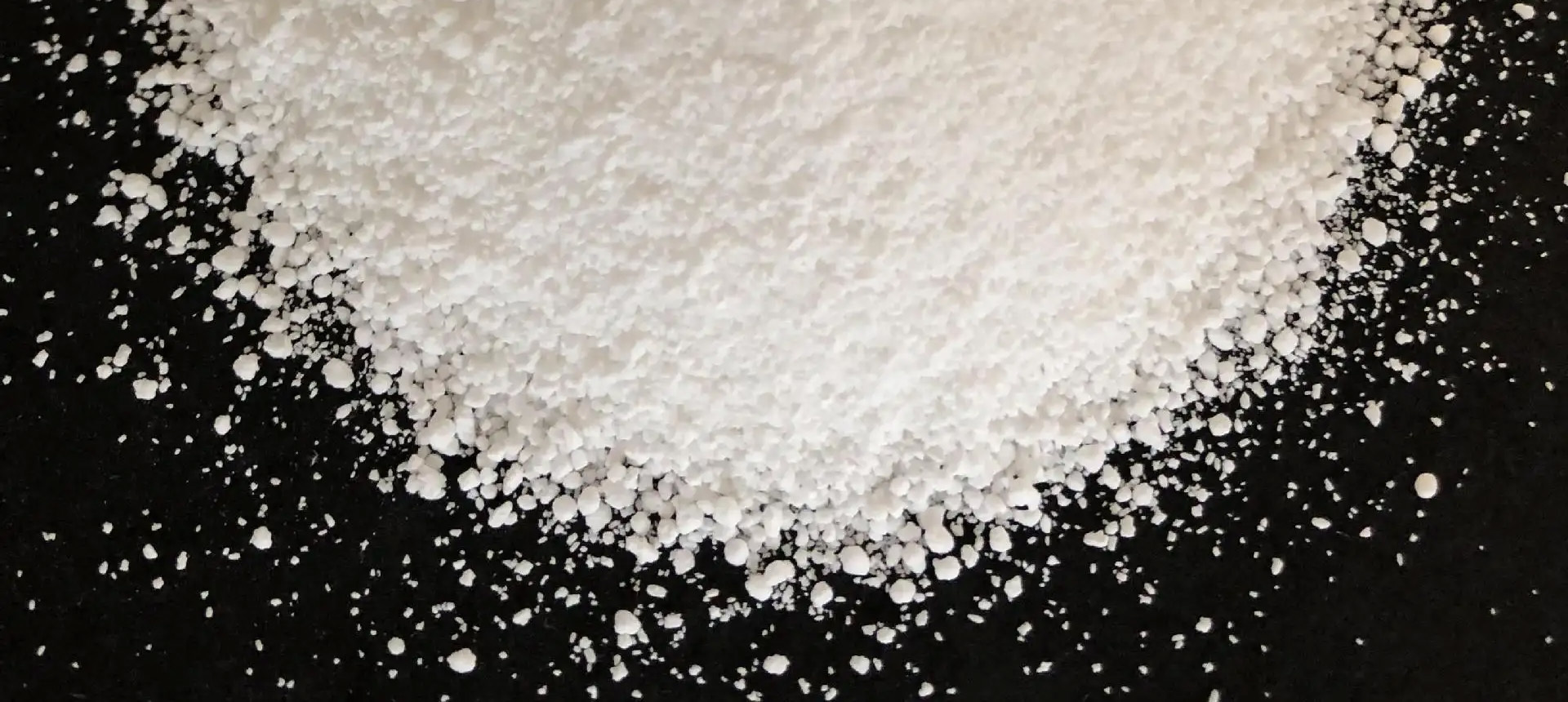
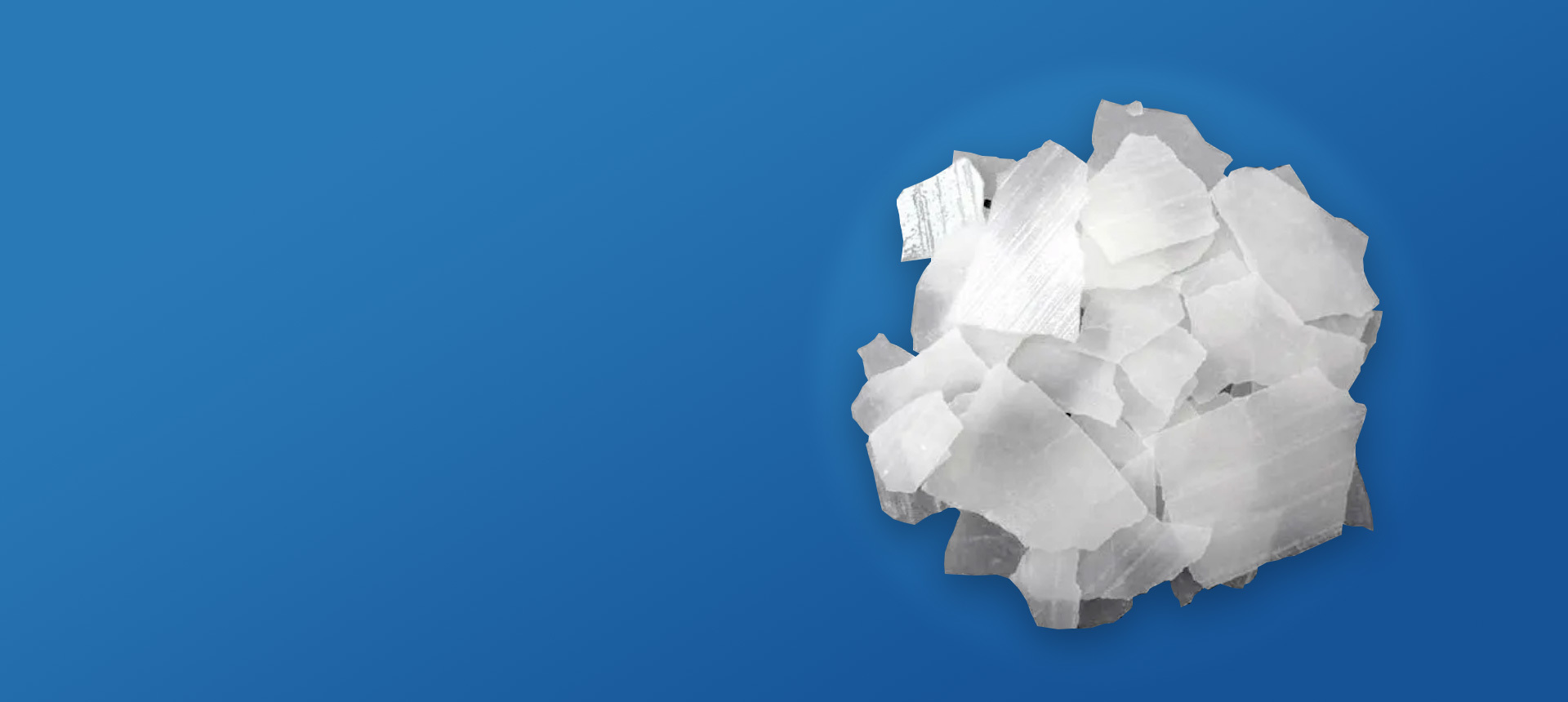
Industrial light soda ash is generally white solid, powder or fine crystalline anhydrous. Its density is usually between 500 and 600kg/m³, which makes it easy to handle and transport in chemical production. Light soda ash has a strong corrosive, and can be dissolved in water, generating sodium hydroxide solution, alkaline. At high temperatures, light soda ash can melt to form molten lye, and its solubility increases with increasing temperature. In addition, light soda ash also has water absorption. Under normal temperature conditions, it can absorb carbon dioxide and water when exposed to the air, and release heat, convert into sodium bicarbonate, and may agglomerate.
Manufacturing method
The main raw materials of light soda ash are salt (NaCl) and limestone (CaCO). Salt contains mainly sodium chloride, while limestone contains mainly calcium carbonate. The production process includes raw material preparation, chemical reaction, separation and purification, drying and packaging.
Raw material preparation: salt needs to go through washing, drying, sieving and other steps to ensure that its purity and particle size meet production requirements. Limestone needs to be calcined, crushed and other steps to convert it into calcium oxide and carbon dioxide.
Chemical reactions: The production of light soda ash mainly involves the following chemical reactions: NaCl CaCO₂ → Na₂ CO₂ CaCl₂. The reaction is carried out at a high temperature, the raw materials are fed into a kiln, and the reaction is carried out by calcination at a high temperature. During the reaction, it is necessary to control the temperature and reaction time to ensure the completion of the reaction and the purity of the product. At the same time, it is necessary to pass a certain amount of air to fully decompose the calcium carbonate into calcium oxide and carbon dioxide.
Separation and purification: After the reaction is completed, the product needs to be separated and purified. The product in the kiln is first cooled to a certain temperature, and then crushed and sieved. The sieved product contains impurities such as light soda ash and calcium chloride, which need to be further separated. Commonly used separation methods are recrystallization and ion exchange. The recrystallization method is to dissolve the product in water, and separate the light soda ash from the impurities by crystallization; the ion exchange method is to remove the impurity ions in the light soda ash solution by using the ion exchange resin.
Dry packaging: In order to ensure the quality and shelf life of light soda ash, it needs to be dried and packaged. It is necessary to control a certain temperature and humidity during the drying process to avoid moisture absorption and agglomeration of the product. The appropriate packaging materials and methods are selected to ensure the stability and safety of the product during transportation and storage.
Main use
Industrial light soda ash has a wide range of applications, mainly including the following aspects:
Glass manufacturing: Industrial light soda ash is an important raw material in the glass manufacturing process, which can reduce the melting point of glass, improve the transparency and heat resistance of glass, and promote the forming of glass. Whether it is flat glass, glass container or optical glass, mirror, etc., are inseparable from the role of light soda ash.
Textile industry: In the textile industry, light soda ash is used for the preparation of dyes, fabrics and auxiliaries, and can also be used for the processing and finishing of textiles. In addition, it can also be used in the manufacture of cellulose fibers and man-made fibers, as well as in the dyeing and finishing of fabrics.
Paper industry: Light soda ash plays an important role in the paper industry and can be used to make bleached pulp to improve the whiteness and strength of paper. At the same time, it also serves as a reaction medium in the papermaking process, participating in the manufacture of various types of papermaking raw materials, such as high whiteness pulp, coated paper raw film and writing paper.
Chemical fertilizer production: industrial light soda ash can also be used to produce nitrogen fertilizer, phosphate fertilizer and other chemical fertilizers, providing important chemical raw materials for agricultural production. For example, it can be used to produce fertilizers such as ammonia, urea and diammonium phosphate, as well as to extract nutrients from plants.
In addition, light soda ash is also widely used in detergent, food, medicine and other fields. With the progress of science and technology and the continuous improvement of technology, the application field of light soda ash will continue to expand, providing more and better chemical raw materials for various industries.
Summary
As an important inorganic chemical raw material, industrial light soda ash has a wide range of applications. Its physical properties, manufacturing methods and main uses together constitute its unique value and status. With the continuous development of science and technology and the continuous improvement of technology, the production efficiency and quality of light soda ash will be further improved, providing strong support for the development of various industries.
Other Blog
Telephone: 86 13354733984
E-mail:1562349688@qq.com
Address:
No. 106, Floor 1-2, Building 2, Ruide Garden Commercial Building, Wuda District, Wuhai City, Inner Mongolia Autonomous Region, China
Yuze Chemical TikTok

Jianyu maple tremolo
Direct contact