
Industrial light soda ash, also known as sodium carbonate
Aug 07,2024
Industrial light soda ash, also known as sodium carbonate.
Industrial light soda ash, also known as sodium carbonate, is an important inorganic chemical raw material that is widely used in many industries. The following is a detailed introduction to industrial light soda ash:
1. physical properties
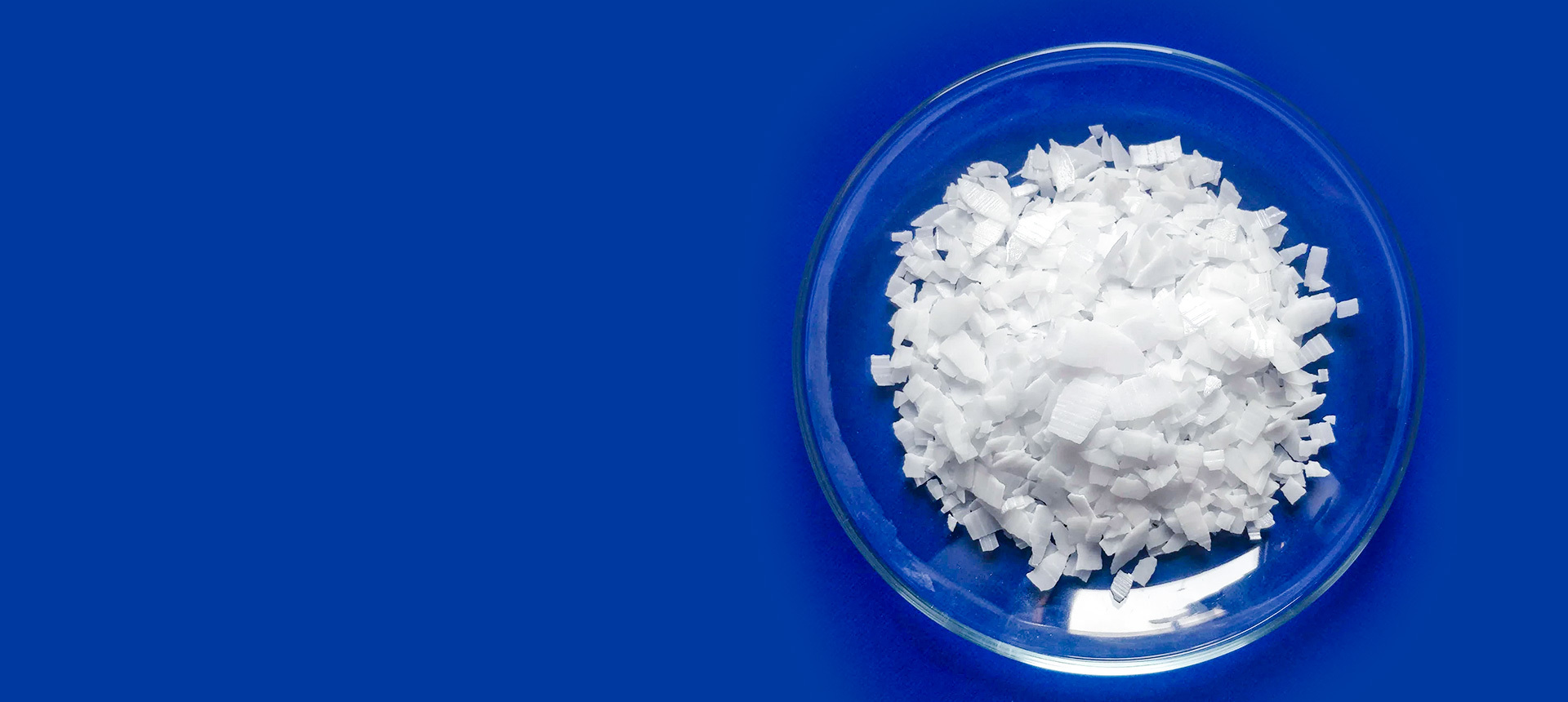
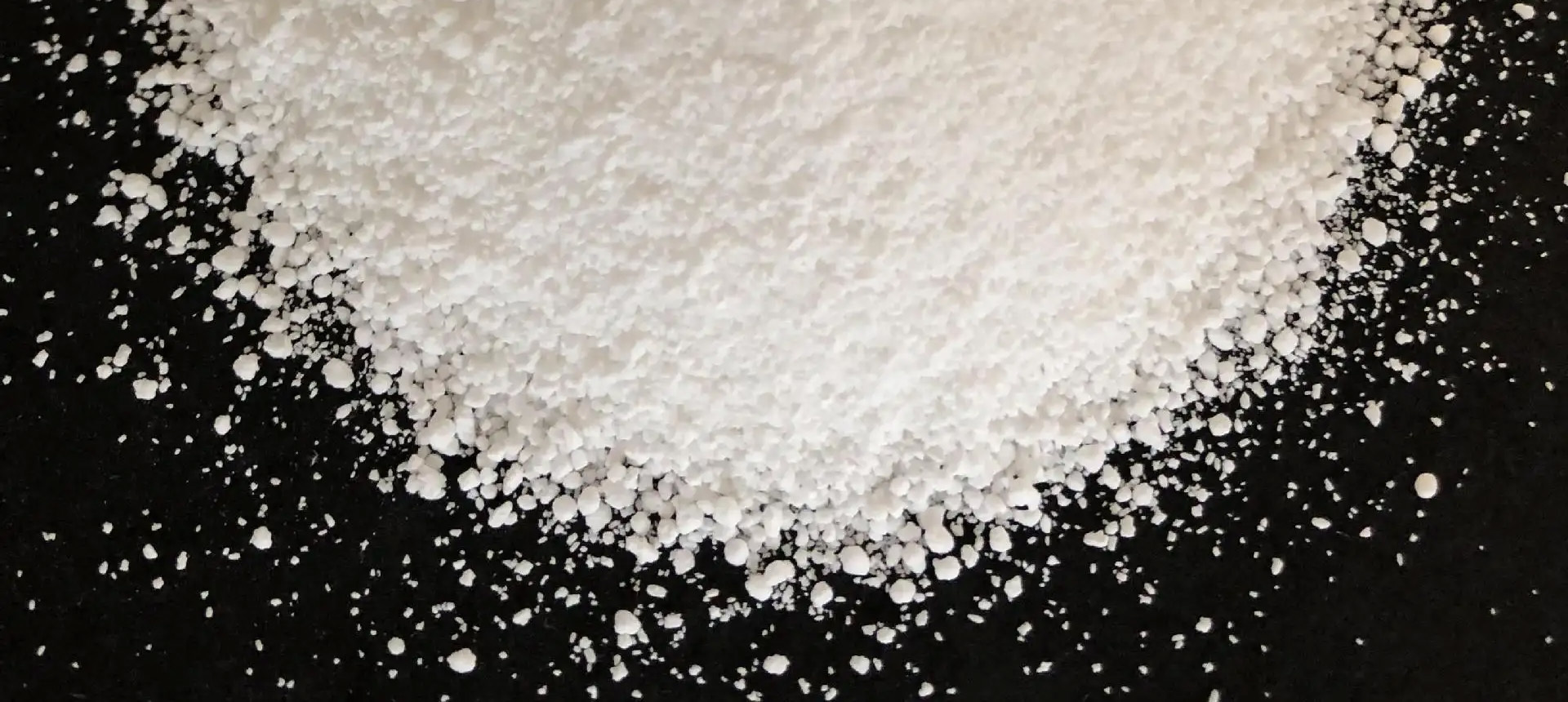
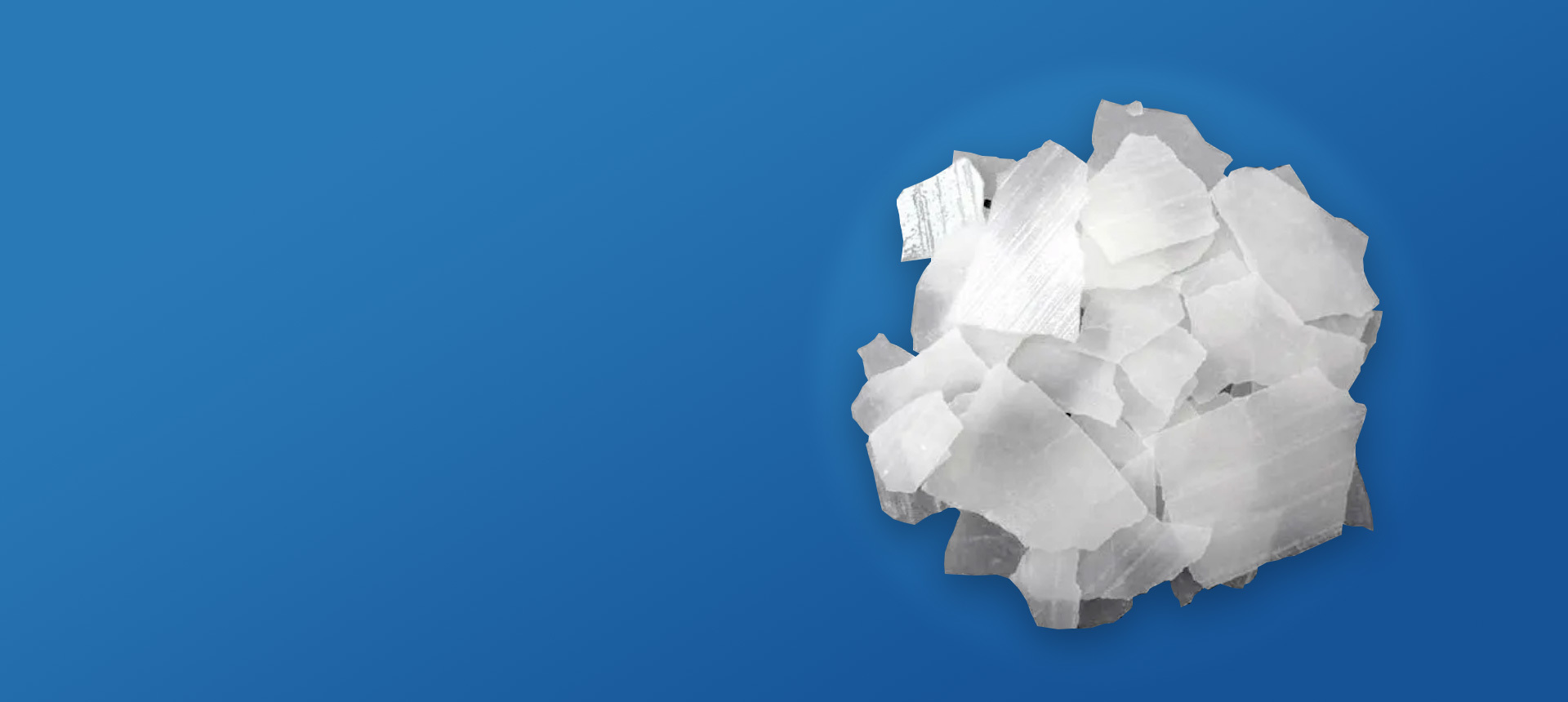
Color and morphology: light soda ash is generally white, powder or fine crystalline anhydrous.
Density: The density of light soda ash is usually in the range of 500~600kg/m³, which makes it easy to handle and transport in chemical production.
Thermal stability: Light soda ash is not easy to decompose at high temperature, showing good thermal stability.
Water absorption: light soda ash with water absorption, can be soluble in water, the aqueous solution is alkaline. Under normal temperature conditions, exposed to air, light soda ash can absorb carbon dioxide and water, and release heat, which is converted into sodium bicarbonate and may agglomerate.
Main purpose of 2.
Glass manufacturing: Industrial light soda ash is an important raw material in the glass manufacturing process, which can be used to reduce the melting point of glass, improve the transparency and heat resistance of glass, and also promote the forming of glass.
Textile industry: Light soda ash can be used for the preparation of dyes, fabrics and auxiliaries in the textile industry, as well as for the processing and finishing of textiles.
Paper industry: Light soda ash can be used to make bleached pulp to improve the whiteness and strength of paper, and it can also be used as a reaction medium in the papermaking process.
Fertilizer production: Light soda ash can be used to produce nitrogen fertilizer, phosphate fertilizer and other fertilizers, providing important chemical raw materials for agricultural production.
Cleaner manufacturing: Light soda ash is also used in cleaner manufacturing, and its alkaline properties help remove stains and grease.
3. production methods and raw materials
The main raw materials of light soda ash are salt and limestone. The production process involves chemical reaction, separation and purification, dry packaging and other steps. At high temperatures, salt (NaCl) reacts with limestone (mainly CaCO3) to produce sodium carbonate (Na2CO3) and calcium chloride (CaCl2). After completion of the reaction, light soda ash is obtained by separation and purification, and is dried and packaged.
4. considerations
When using industrial light soda ash, it is necessary to pay attention to its strong corrosiveness and alkalinity to avoid direct contact with skin and eyes. At the same time, products with appropriate purity and granularity should be selected according to specific application scenarios and needs.
In summary, industrial light soda ash, as an important inorganic chemical raw material, plays an important role in many industries. With the progress of science and technology and the continuous improvement of technology, its application field will continue to expand, providing more and better chemical raw materials for various industries.
Other Blog
Telephone: 86 13354733984
E-mail:1562349688@qq.com
Address:
No. 106, Floor 1-2, Building 2, Ruide Garden Commercial Building, Wuda District, Wuhai City, Inner Mongolia Autonomous Region, China
Yuze Chemical TikTok

Jianyu maple tremolo

Direct contact