
Sodium hydroxide storage requirements and precautions
Oct 09,2023
What is sodium hydroxide?
What is sodium hydroxide?
Sodium hydroxide is an ionic compound consisting of a positively charged sodium ion Na and a negatively charged hydroxide ion OH-, with the chemical formula: NaOH. Sodium hydroxide is reactive and alkaline, contributing to its many applications. This inorganic ionic compound is a strong base that raises the pH of the solution, buffers pH changes and drives pH-dependent chemical reactions. NaOH is also used in various other chemical processes, such as saponification in soap making.
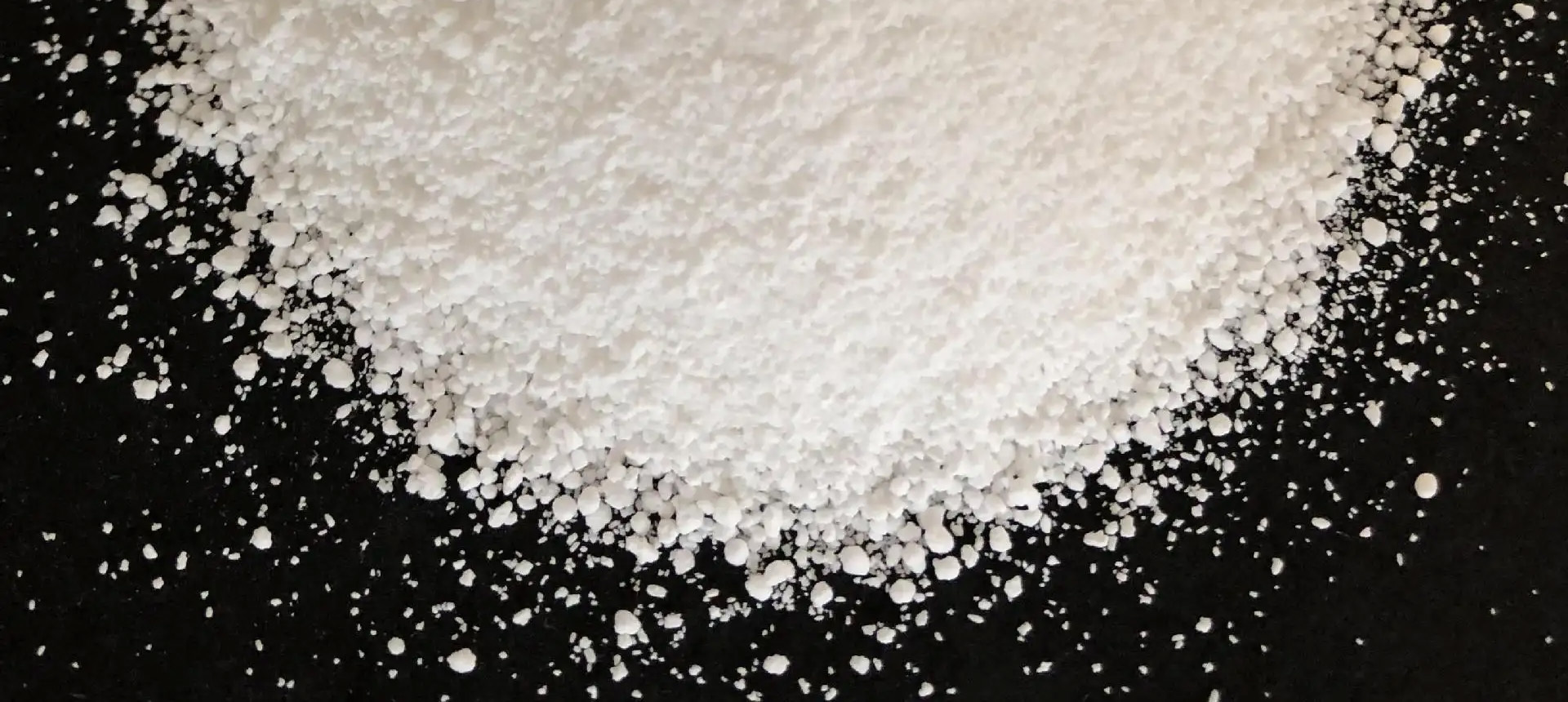
Common names for sodium hydroxide include caustic soda, lye, and its chemical formula NaOH. The more archaic and historical names are soda base, white base, and hydrated sodium. As a white solid or colorless solution, sodium hydroxide is an odorless corrosive chemical characterized by strong alkaline corrosivity, ingestion toxicity, reactivity with various chemicals, and incompatibility with certain metals. Due to its very real hazards, NaOH should always be stored and handled in accordance with regulatory guidelines.
As a solid, sodium hydroxide is a hygroscopic material that easily absorbs moisture and carbon dioxide from the environment, as well as oils on human skin. When solid NaOH is dissolved in water or strong acid, the ion dissociation process is violently exothermic, rapidly releasing large amounts of heat energy. Upon dissociation of the ions, the free hydroxide ions will interact with the free protons, forming water and increasing the pH of the solution as H ions decrease and OH-ions begin to accumulate in excess.
Sodium hydroxide has a special viscosity, which increases its storage difficulties and chemical hazards. Due to its increased viscosity, liquid sodium hydroxide is a chemical that is easily found in its container or causes leakage. It is called a "slippery" chemical because of its ability to find a leak path wherever it is present.
How should sodium hydroxide be stored?
Caustic soda should be stored in a container that can resist the corrosive effects of chemicals. Due to the "leaky" nature and chemical hazards of NaOH, secondary sealing measures are required. Methods should be used to maintain the solution temperature above 70 °F in indoor and outdoor containers to ensure fluid viscosity and prevent precipitation (crystallization) of the solution.
Certain metals should be avoided when storing or transporting NaOH. These metals include aluminum, lead, tin, zinc and zinc alloys such as brass and bronze. Galvanized steel should also be avoided due to the presence of zinc in the protective coating. Sodium hydroxide chemically corrodes these metals, releasing them into solution, and the high pH and the presence of water can lead to the production of flammable and explosive hydrogen gas. Carbon steel is considered generally safe for handling and storage of NaOH, but such mild steel is chemically corroded at high temperatures.
Sodium hydroxide does not naturally form harmful decomposition products, does not cause harmful polymerization reactions, and does not exhibit sensitivity to ultraviolet light, so it is considered a stable chemical. However, care should be taken to avoid incompatible materials and their proximity to the NaOH storage vessel. Always communicate accurate product requirements and specifications to ensure that the tank can successfully store sodium hydroxide concentrations. Regular maintenance and inspection of storage tanks should always be carried out to extend the expected service life of the container.
The following outlines some of the key points regarding the successful storage of recommend tank materials, components, temperatures, shelf life and required sodium hydroxide:
The storage temperature of the soda tank should be less than 100 °F (polyethylene tank) and 120 °F (carbon steel tank). If these high temperatures are required, tank annealing and/or NaOH corrosion resistant barrier coatings should be considered to offset potential tank damage.
Freezing point and sodium hydroxide viscosity vary with concentration. Concentrated sodium hydroxide is preferably stored at temperatures above 70 °F to prevent freezing, alkali deposits, and to promote fluidity by increasing viscosity.
Indoor storage is preferred due to temperature stability. If outdoor storage is required, and ambient temperatures are expected to be generally below 65 °F.
Sodium hydroxide tank heating can be achieved by heating tape, steam coils, or internal heating using nickel bayonet heat exchangers. A temperature controller shall be installed to maintain the solution temperature.
The Naoh storage and piping system shall include vent/overflow vents with a diameter of at least four times the diameter of the filling line pipe. The design of the sodium hydroxide storage tank system should minimize pipeline operation, especially for outdoor applications due to naoh freezing problems and solid deposition.
All NaOH storage conditions require secondary containment measures and must be designed to contain 110 percent of the total system volume. Double-walled tanks are effective in sodium hydroxide vessels. Bulk naoh storage containers shall be chemically resistant and of proven specifications.
Precautions for storage of lye
The successful storage of sodium hydroxide is similar to its solid or liquid form, considering the corrosion resistant capacity of the storage container. Solid and liquid forms of NaOH each have their own unique storage considerations due to differences in physical and chemical properties.
NaOH in solid form should be stored in a closed container with limited atmospheric exposure to avoid water and/or CO 2 adsorption. For solid NaOH, there are two additional considerations due to its hygroscopicity and the possibility of this contamination. First, water absorption will slowly produce an aqueous solution, where the presence of water can allow chemical attack of the storage container in the manner previously provided by the solid, so the container must also be fully resistant to the NaOH solution. Second, the absorption of CO 2 is a chemical change reaction, similar to the decomposition reaction that converts NaOH to sodium carbonate., Decrease the percentage/purity of NaOH. This ability of NaOH to absorb CO 2 from the atmosphere has driven its use in power plants for "scrubbing" unwanted gaseous by-products.
sodium hydroxide temperature stability
NaOH Viscosity In the storage of liquid NaOH, the ability to maintain solution temperature and associated viscosity is generally considered a requirement for large-scale storage and use. To help maintain temperature, many applications recommend vessels with heat tracing and insulation. The freezing point of the solution may vary significantly as shown by the freezing point curves for different concentrations of sodium hydroxide. As the temperature of the solution drops and approaches the freezing point, NaOH will begin to crystallize (precipitate) out of the solution, which can cause solids to build up in storage vessels, pumps, or pipes. Precipitation occurs when a chemical element dissolved in a solution becomes solid from the solution. This is due to favorable environmental conditions, such as temperature, pressure,
The viscosity of sodium hydroxide is strongly temperature dependent. When the temperature starts to drop below about 80 °F, the viscosity of the solution starts to increase significantly, especially at higher concentrations. The graphical representation of the dynamic viscosity of NaOH shows that the solution becomes more viscous when the NaOH concentration is higher, and describes how the viscosity starts to rise as the temperature decreases.
This increase in viscosity is actually very worrying when NaOH is used to store large quantities in an industrial environment and to pump the solution to the utilization area. If the sodium hydroxide solution becomes too viscous, it can actually cause equipment failure, pump failure, and solid accumulation. The Dow Chemical Company recommends that the storage temperature of NaOH be maintained in the range of 85 to 100 °F because the viscosity of the solution should remain fluid and functional at this temperature.
Sodium hydroxide storage points
Sodium hydroxide is a corrosive chemical that is dangerous and toxic and plays a role in a wide range of industrial processes around the world. Chemically, NaOH is incompatible with certain metals, can react potentially violently with a variety of compounds, and can cause severe corrosive damage. Sodium hydroxide is used in the textile, detergent, chemical, and food industries because of its ability to influence pH, drive chemical reactions, and clean and disinfect. NaOH has an intrinsic viscosity that makes it easy for chemicals to find a leak path.
Other Blog


Telephone: 86 13354733984
E-mail:1562349688@qq.com
Address:
No. 106, Floor 1-2, Building 2, Ruide Garden Commercial Building, Wuda District, Wuhai City, Inner Mongolia Autonomous Region, China
Yuze Chemical TikTok

Jianyu maple tremolo

Direct contact